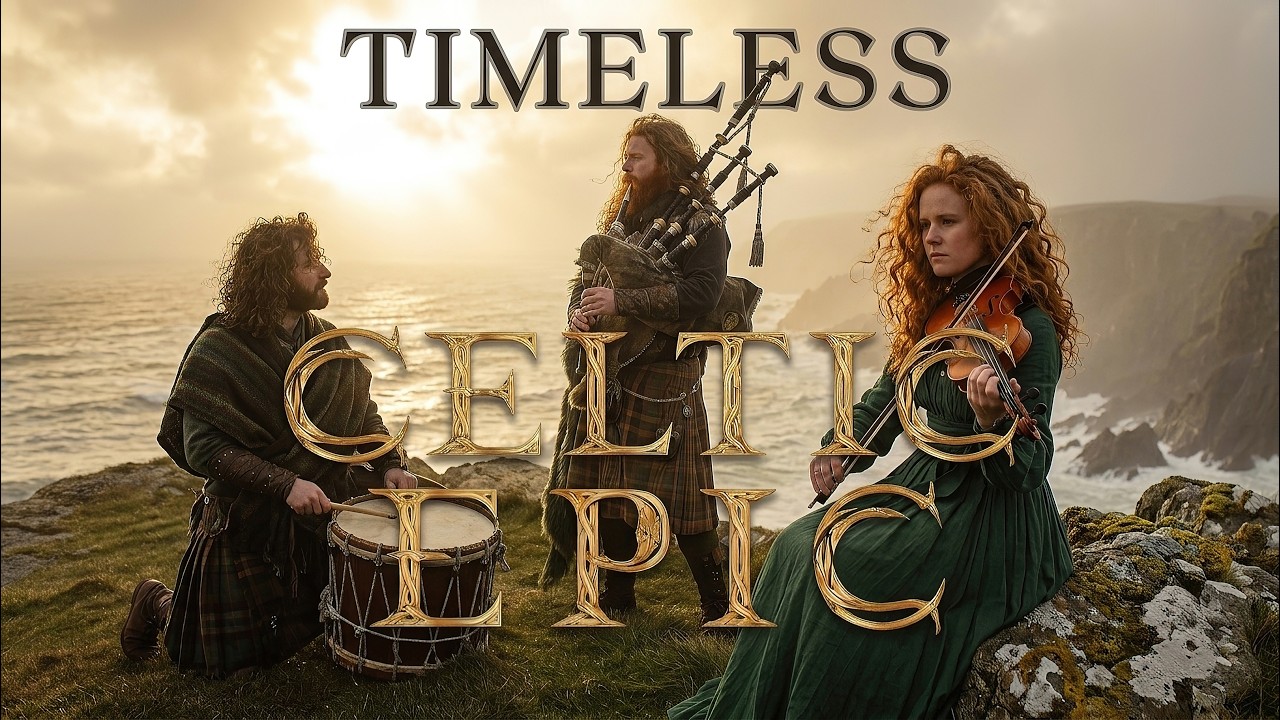
Celtic music has a way of speaking directly to the heart, echoing across the landscapes of Ireland, Scotland, Wales, and Brittany with melodies that feel timeless yet alive. Rooted in ancient Indo-European cultures, it has evolved through centuries of storytelling, dance, and spiritual ritual into one of the most recognizable folk traditions in the world.
Today, Celtic music is more than a historical curiosity; it is a living tradition that continues to inspire new generations of composers, producers, and listeners. From traditional fiddle tunes in crowded pubs to cinematic Celtic-inspired soundtracks on streaming platforms, the genre bridges past and present in a uniquely powerful way.
What Defines Celtic Music?
At its core, Celtic music is melodic, modal, and deeply rhythmic. Tunes are often built on repeating patterns and dance forms such as jigs, reels, hornpipes, and marches, inviting movement and communal participation. Rather than complex harmony, many ensembles focus on unison playing, with multiple instruments carrying the same melody in different octaves to create a rich, pulsing sound.
Ornamentation is another signature trait; performers decorate melodies with rolls, cuts, grace notes, and slides that give the music its distinctive lilt. This expressive style makes even simple themes feel emotional and nuanced, whether performed slowly as an air or at full speed as a dance tune.
Iconic Celtic Instruments
Celtic music is inseparable from its characteristic instruments, each with its own history and role.
- Celtic harp: Symbol of Ireland and one of the oldest instruments in the tradition, used for storytelling, court music, and modern folk performance.
- Fiddle: The workhorse of many sessions, capable of fiery dance tunes and tender slow airs.
- Uilleann pipes: The uniquely Irish bagpipes, played sitting down, known for their expressive, almost vocal quality.
- Bodhrán: A frame drum played with a small beater (tipper), providing intricate rhythmic foundations for ensembles.
- Wooden flute and tin whistle: Breath-driven instruments that carry bright, agile melodies and lend an airy, pastoral color.
In the modern era, guitar and bouzouki have become central accompaniment instruments, bringing chords, counter-rhythms, and fingerstyle patterns that support traditional tunes while opening new harmonic possibilities. Electric instruments and studio production techniques now extend Celtic music into rock, ambient, and cinematic territories without losing its traditional soul.
Tradition Meets the Modern World
The modern revival of Celtic music has been driven by festivals, recordings, and global touring artists, as well as niche producers who blend Celtic textures with film, trailer, and ambient music. Online, listeners can explore deep dives into the culture, history, and sound of the tradition, such as this in-depth feature:
The Timeless Beauty of Celtic Music: Tradition, Instruments, and Modern Revival
The rise of streaming platforms and video channels has also allowed independent creators to use Celtic moods in soundtracks, meditation music, fantasy worlds, and storytelling videos. In this way, Celtic music continues to evolve while staying rooted in community and emotion.
Celtic Atmosphere and Epic Storytelling: Quiet God & Riseout
One powerful modern expression of Celtic and folk-inspired atmosphere comes from creators who specialize in cinematic and epic sound design. Quiet God and the Riseout projects explore the intersection of folk strings, ancient themes, and modern production, often touching the same emotional space that Celtic music occupies—heroic, mystical, and deeply evocative.
Listeners can explore these worlds through curated releases and playlists:
- Main hub: Celtic Music & Riseout collection — curated gateway to releases and supporting links.
- Riseout channel: Riseout on YouTube — epic, ambient, and storytelling music for videos, trailers, and fantasy settings.
- Epic & cinematic playlist: Epic & Cinematic Music Playlist (Riseout)
- Relaxing & atmospheric playlist: Relaxing and Atmospheric Music Playlist
Stream Quiet God Across Platforms
If you want to explore Quiet God’s catalog directly across platforms, you can dive in here:
- Tidal: Quiet God on Tidal
- Apple Music: Quiet God on Apple Music
- Main link hub: Quiet God — official links
- Bandcamp SFX & music: SoundFXs on Bandcamp — ideal for creators seeking music and sound effects for games, films, and videos.
These resources are especially useful for content creators, filmmakers, and game developers who want to add Celtic-flavored or mythic soundscapes to their projects.
Celtic Roots, Greek Echoes, and Global Folk
Traditional music travels easily across borders, and the emotional language of Celtic melodies has surprising parallels in other folk traditions. Greek music, for example, often shares the same deep sense of nostalgia, longing, and storytelling, even though it uses different scales and instruments.
For listeners who enjoy exploring folk and traditional sounds from different cultures, these portals provide a rich journey:
- Greek children’s & family content: Zouzounakia — playful music and songs for younger audiences.
- Long-form ambient & vaporwave: 100 Hours Vaporwave — extended atmospheres ideal for focus, creativity, or relaxation.
- Greek songs & modern folk: EllinikaTragoudia.com — Ελληνικά Τραγούδια — a gateway to Greek hits and playlists showcasing the emotional depth of Greek popular and folk music.
Why Celtic Music Still Matters
In a fast, digital world, Celtic music offers a reminder of community, oral tradition, and the power of simple melodies to carry complex emotions. Whether you are listening to a solo fiddle in a small room, a harpist in a cathedral, or a modern epic soundtrack inspired by ancient myths, the effect is the same: a feeling of connection to something older, deeper, and profoundly human.
By exploring traditional recordings, contemporary projects like Quiet God and Riseout, and related folk scenes from places like Greece, you can build your own personal path into this timeless musical universe. Let these sounds guide you—whether for relaxation, inspiration, storytelling, or simply the joy of discovering new music that feels rooted yet endlessly fresh.
Leave a Reply